Receipts Digital Stamps PNGs: A Practical Guide for Modern Crafters
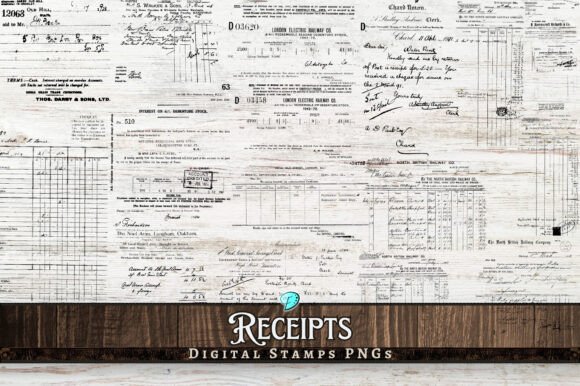
In the evolving landscape of digital crafting, efficiency and aesthetic quality often dictate the success of a project. Receipts Digital Stamps PNGs have emerged as a versatile asset for creators who need to integrate vintage textures, financial ephemera, or authentic-looking documentation into their designs without the hassle of physical scanning. These high-resolution assets are not merely decorative; they serve as functional components in complex workflows ranging from junk journaling to professional scrapbooking. Understanding how to implement these files effectively requires a look at their technical specifications, their role in the creative process, and the best practices for maintaining file integrity across different operating systems.
Understanding the Asset: Quality and Specifications
The foundation of any successful digital design project lies in the quality of the source materials. When working with Receipts Digital Stamps PNGs, the standard expectation is a resolution of 300dpi. This density is critical for ensuring that when a digital element is printed, it retains sharp edges and clear details, avoiding the pixelation that plagues lower-resolution images. The format itself, PNG (Portable Network Graphics), is chosen specifically for its support of transparency. Unlike JPEGs, which force a solid white background onto images, transparent PNGs allow the receipt stamp to blend seamlessly into various backgrounds, whether that be a textured paper scan, a digital envelope, or a mixed-media collage.
A typical digital pack includes twenty distinct PNG variations. This variety is essential for workflow flexibility. In a single project, such as a themed junk journal page, a creator might need a small postage stamp-sized receipt for a tag, a medium-sized invoice fragment for a pocket, and a large, detailed ledger sheet for a background layer. Having multiple sizes pre-rendered saves significant time during the execution phase. Instead of resizing a single image—which can degrade quality if done incorrectly—the user has immediate access to assets optimized for specific spatial requirements within the layout.
Integration into Creative Workflows
The utility of Receipts Digital Stamps PNGs extends beyond simple decoration; they act as narrative anchors in storytelling projects. For scrapbookers and card makers, these stamps provide an instant sense of history and authenticity. Before beginning a layout, a planner might decide on a theme involving travel, shopping, or business milestones. At this planning stage, selecting the appropriate digital receipts helps visualize the final composition. During the execution phase, these assets are layered over base papers using software like Photoshop, Canva, or Procreate. The transparency allows for blending modes to be applied, creating depth where the ink of the receipt appears to sit slightly below or above the paper grain.
For professionals and entrepreneurs, these assets find application in marketing materials and branded ephemera. A small business owner creating a "thank you" packet for a client might include a digital download of a custom receipt as a keepsake. In this context, the Receipts Digital Stamps PNGs function as part of a brand identity kit. They interact with other resources such as logo files, typography choices, and color palettes to create a cohesive visual language. The ability to manipulate these files digitally means they can be resized, rotated, or slightly altered to fit specific branding guidelines without losing the hand-drawn charm that defines the collection.
Technical Compatibility and File Management
A crucial aspect of integrating digital assets into a workflow is managing file compatibility across different operating systems. Many creators work in hybrid environments, utilizing both macOS and Windows machines. It is important to address the specific behavior of ZIP files generated on Mac systems. MacOSX files included in the zip archive often contain metadata files prefixed with an underscore and a period (._). To a Windows user, these files may appear confusing or suggest that parts of the product are missing.
This phenomenon occurs because macOS uses these hidden files to store resource forks and extended attributes. However, they do not contain the actual image data. If a Windows user opens the folder and sees only these metadata files alongside the main images, they should not panic. The actual Receipts Digital Stamps PNGs are present and fully functional. The best practice here is to verify the contents against the product description rather than assuming corruption. If the option is available, users can simply ignore the files starting with ._ or use a tool to clean the zip archive before opening it on a PC. Ensuring that the correct files are extracted prevents workflow interruptions and ensures that the creative process remains fluid.
Practical Applications Across Diverse Projects
The versatility of this digital pack allows it to fit into numerous project types. For hobbyists engaged in junk journaling, these stamps are ideal ephemera pieces. They can be printed on sticker paper to create die-cut elements, or used directly in digital collages. The hand-drawn illustrations and mixed media style of the artwork ensure that they do not look sterile or overly corporate. Instead, they bring a tactile, found-object feel to the page. Educators might use them in lesson plans about commerce or history, providing students with realistic examples of transactional documents for analysis or creative writing prompts.
In the realm of card making, these stamps add a layer of complexity to flat designs. By combining a receipt stamp with a digital envelope template, a creator can simulate a mailed package experience. This interaction between the stamp and the envelope enhances the recipient's engagement with the physical or digital card. Furthermore, bloggers and content creators can utilize these images to break up text-heavy posts, adding visual interest that aligns with themes of budgeting, thrifting, or DIY projects. The consistent quality of the 300dpi images ensures they look professional even when displayed on high-resolution screens.
Optimizing Your Process for Long-Term Use
To maximize the value of Receipts Digital Stamps PNGs, organization is key. Creators should establish a dedicated folder structure for their digital assets, categorizing them by theme, size, or project type. This preparation step reduces the time spent searching for specific elements during the heat of a deadline. Consistency in file naming also aids in long-term usability. When saving copies of these stamps for specific projects, maintaining a clear naming convention helps track versions and modifications.
Quality control is another vital factor. Before printing a batch of tags or envelopes, it is advisable to print a single test copy to check color accuracy and alignment. Because the images are digitally enhanced visuals, slight variations in printer settings can affect the final output. Adjusting the brightness or contrast in your editing software before printing can ensure the ink density matches the intended aesthetic. Additionally, understanding the limitations of your hardware—such as paper weight and ink absorption—will help in selecting the right physical medium for these digital designs.
Support and Community Engagement
While the digital pack is designed for ease of use, challenges can arise during implementation. Whether it is a question about file formats, troubleshooting extraction issues on Windows, or seeking advice on how to best incorporate the stamps into a specific craft, direct communication is encouraged. The creator offers support through social media links and direct messaging options. Engaging with the community not only resolves individual technical hurdles but also fosters a network of shared knowledge where users can exchange tips on blending techniques, paper choices, and creative applications.
By treating Receipts Digital Stamps PNGs as a robust tool within a broader ecosystem of creative resources, users can elevate their projects from simple compositions to sophisticated, multi-layered works. The blend of hand-drawn artistry and digital precision provides a unique advantage, allowing for rapid iteration and experimentation. Whether you are a seasoned professional managing a tight production schedule or a hobbyist exploring new mediums, these assets offer the flexibility and quality needed to execute your vision with confidence.